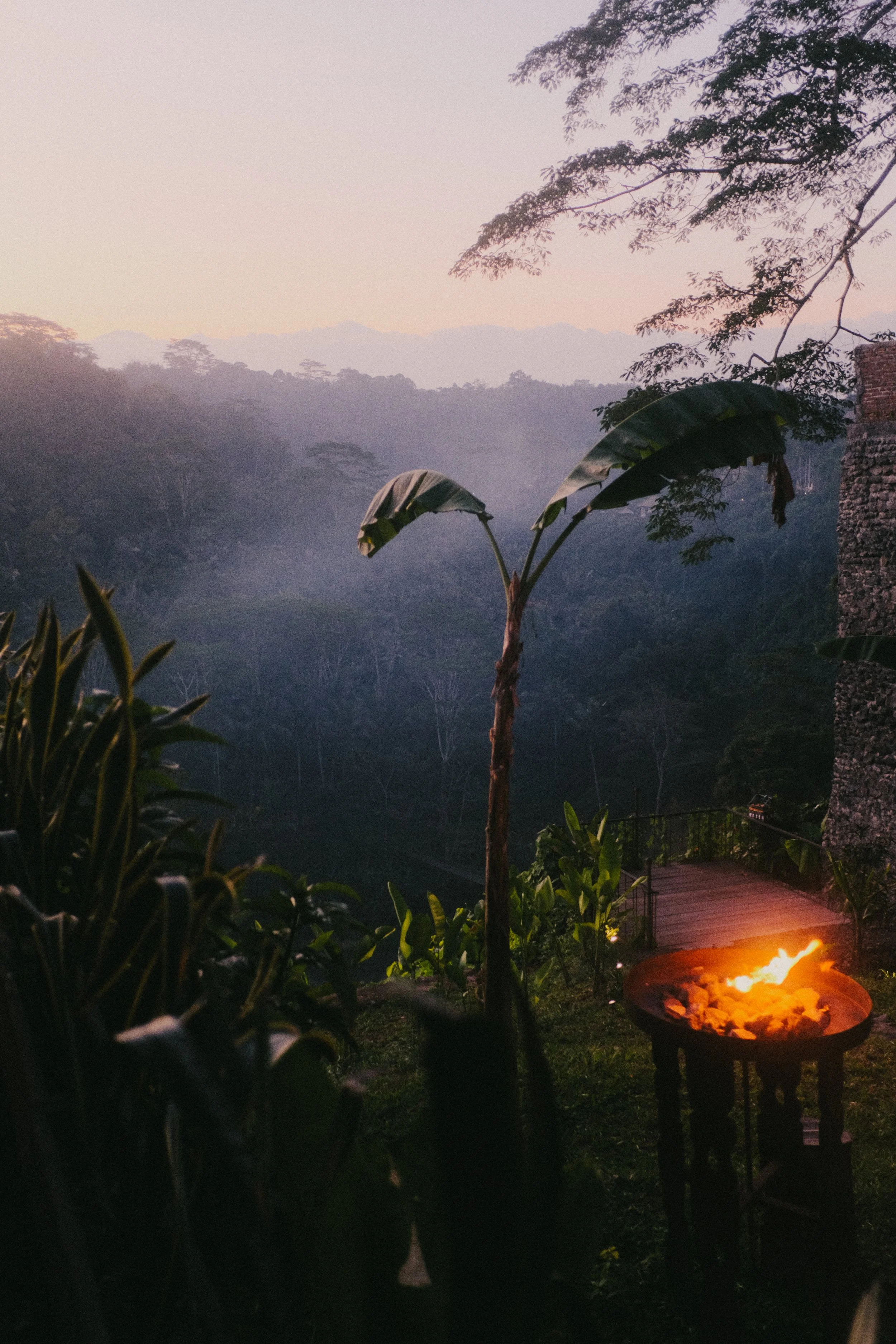
On this Island of the Gods, we took a detour beyond the shores. We chased stories and sights of Bali that breathe both traditional and contemporary.
From learning the craft behind the Chinese coins of pis bolong and exploring one of the island’s quieter regencies to ending the night with some smooth jazz.

Photography by Runi Cholid

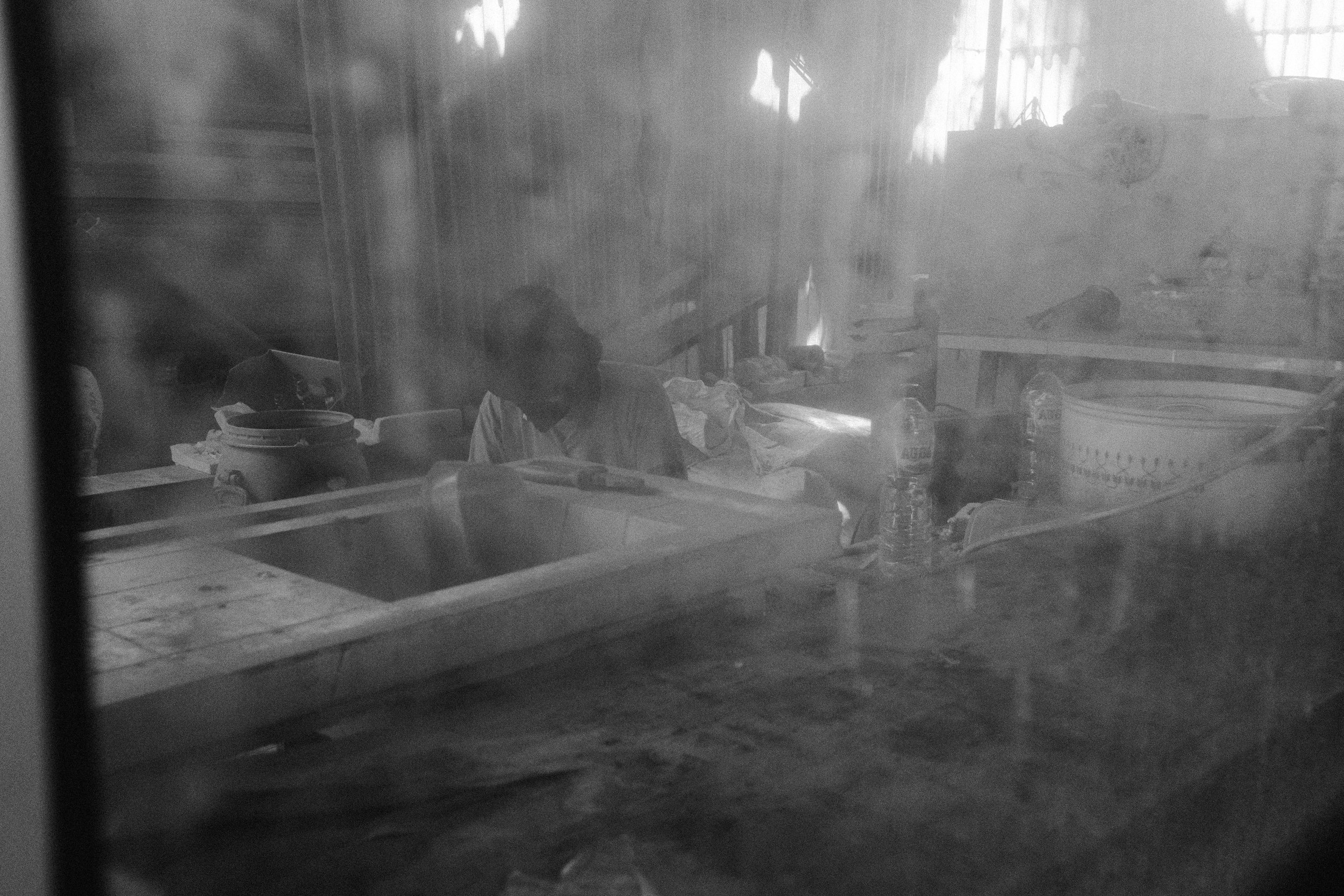
Once used as official currency, the Chinese coin known as pis bolong carries deep spiritual and ceremonial significance in Balinese Hindu culture today.
Artisans mould each coin from fine-grained soil and metal scraps, producing up to 7,000 pieces daily. The factory, set within what looks like a typical Balinese home surrounded by sanggah (house temples) and deity statues, is open to visitors, though advance booking for a guided tour is recommended.
📍 UD. Kamasan, Klungkung
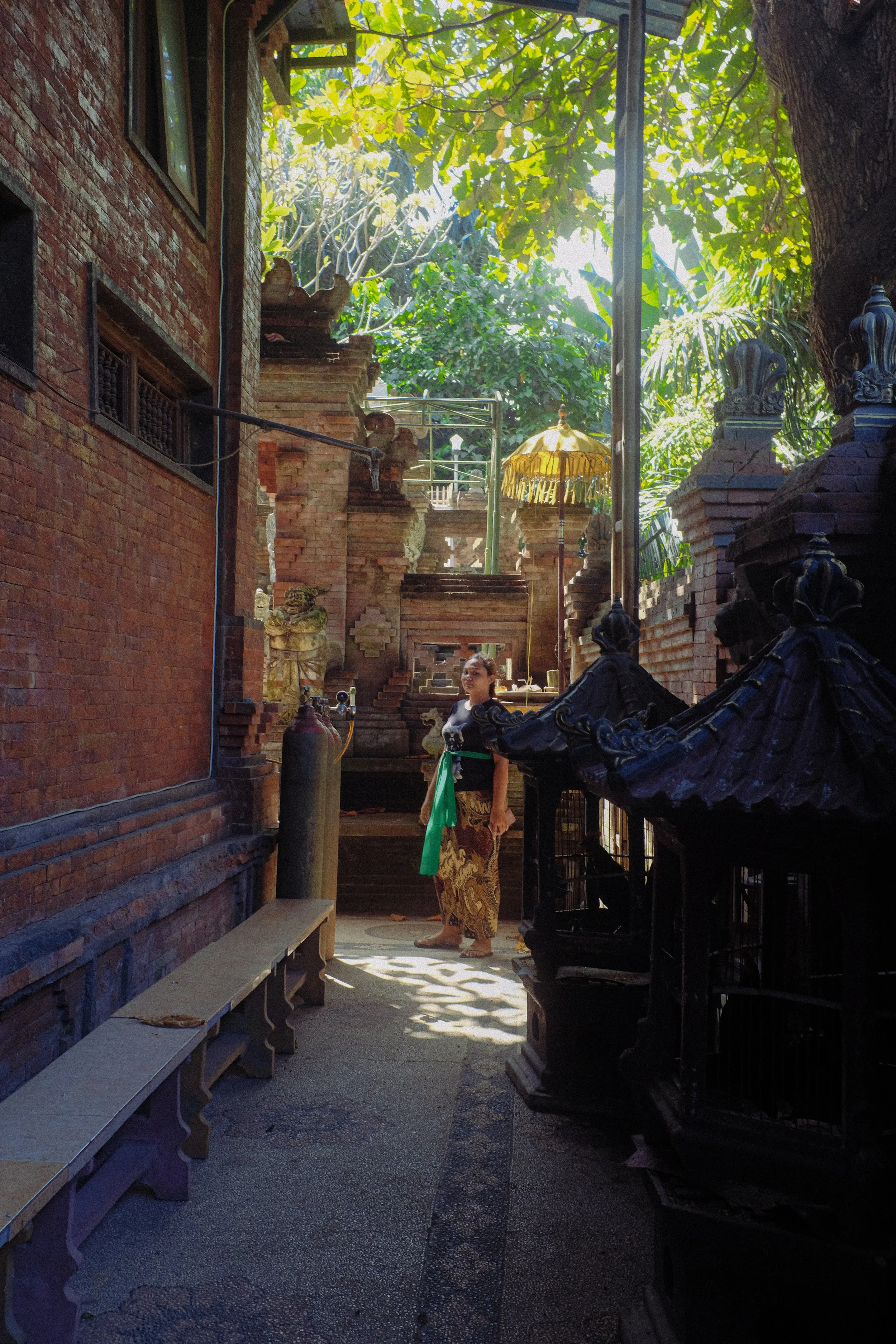
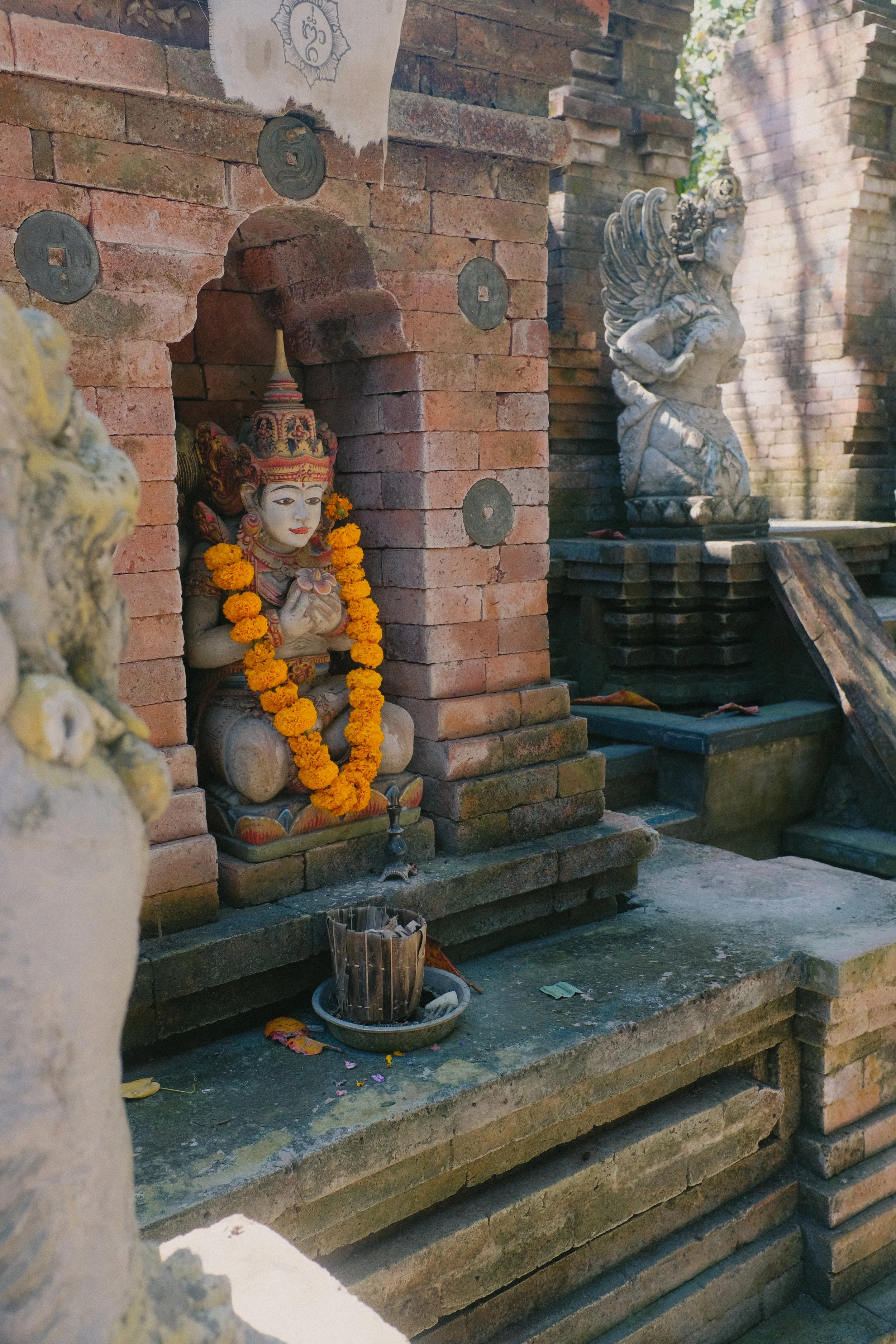
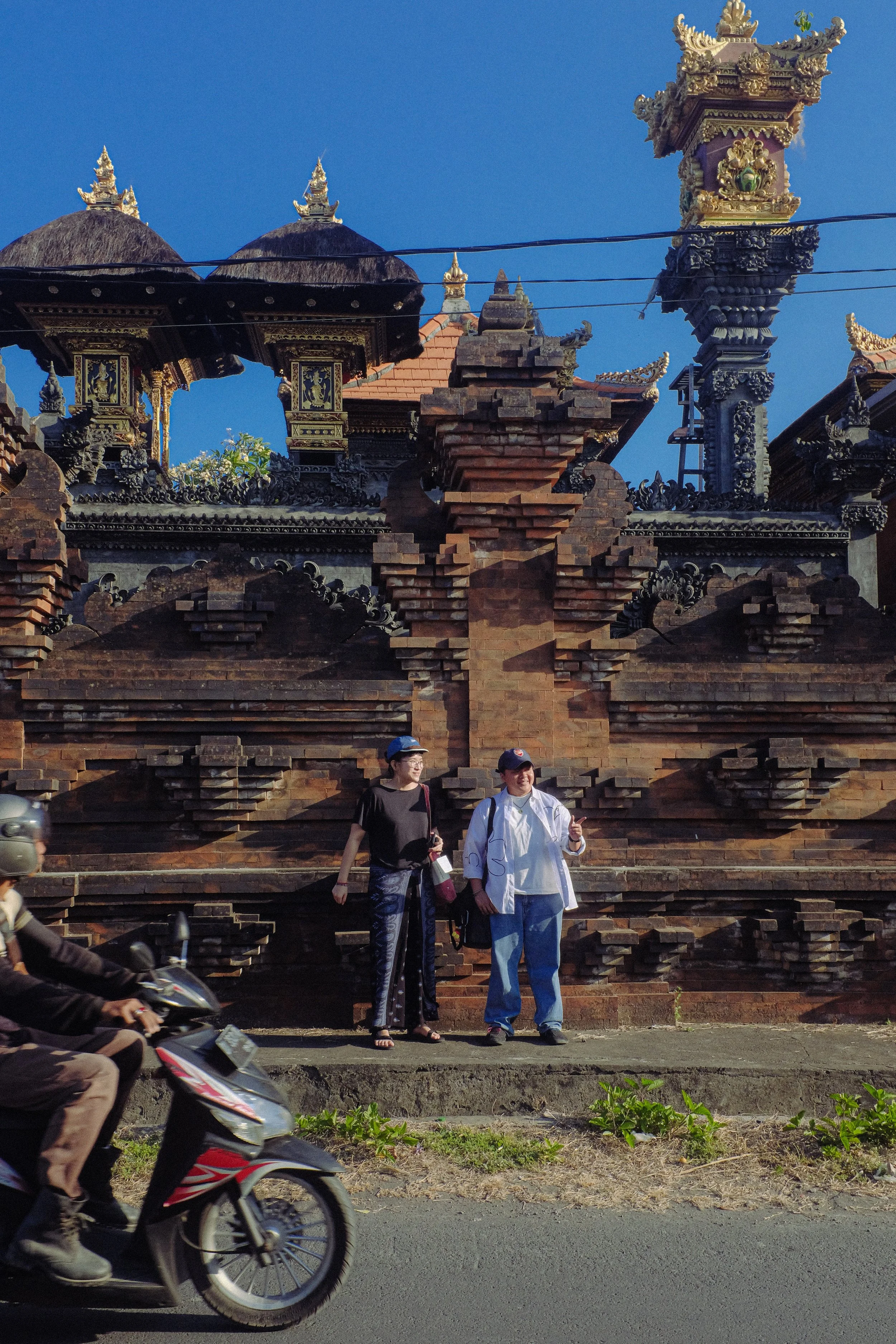

We explored the quiet area of Klungkung, a one-hour drive away from downtown Bali.
Klungkung regency was the former seat of Bali’s historic kingdom, Gelgel kingdom. It holds a legacy to some of Bali’s oldest painting traditions and crafts, a vibrant art centre that birthed art forms such as kamasan painting, gong and gamelan instruments, and other intricate metalworks.
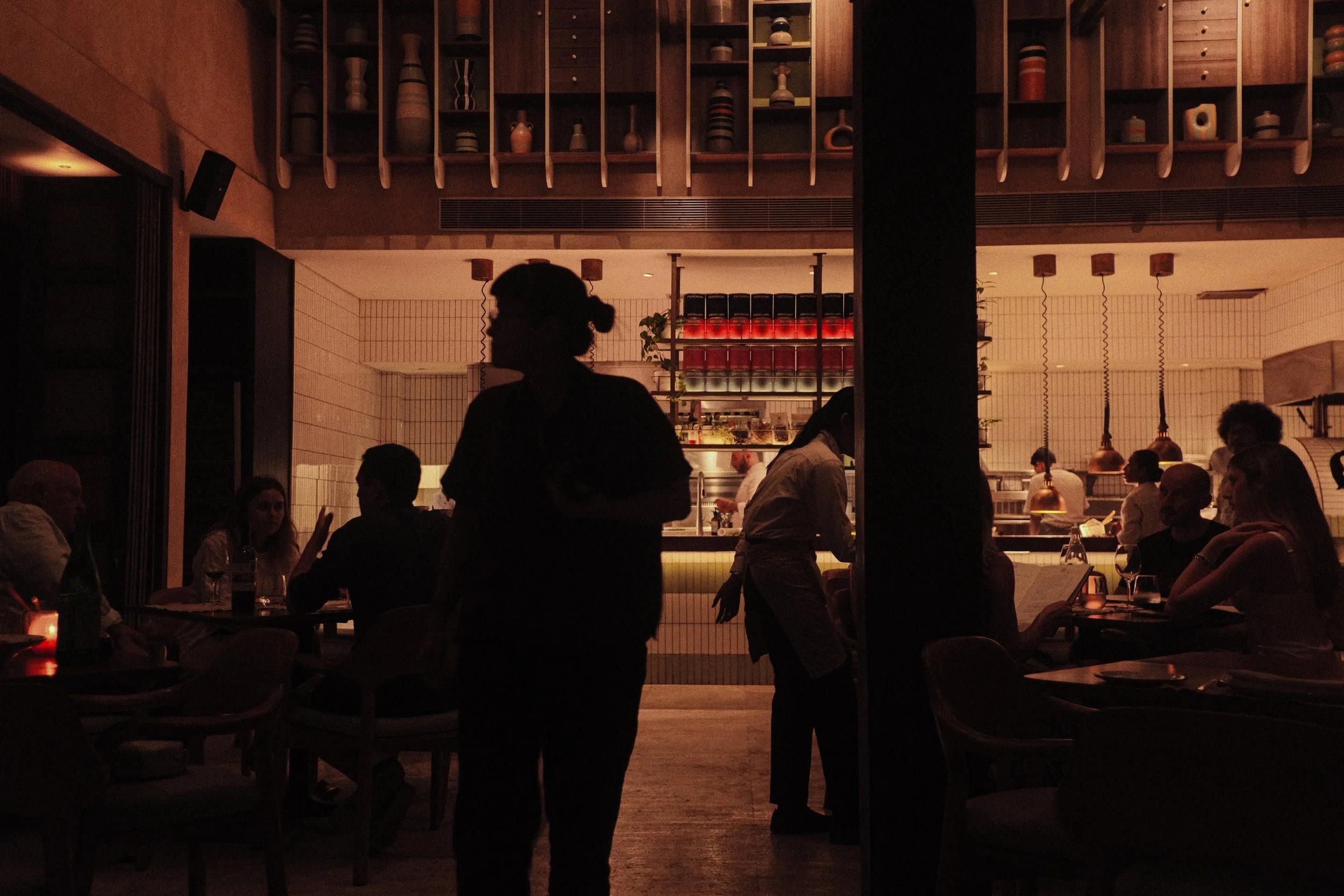

It’s easy to find food of any kind in Bali.
We found ours in this cozy, den-like restaurant serving comforting Italian classics. It appeals to both locals and expatriates,which is always a good sign of any restaurant. Some of the night’s highlights were the oxtail ragu ravioli and a simple but filling margherita pizza. (IDR 400-500k per person)
📍Amici Bali, Petitenget
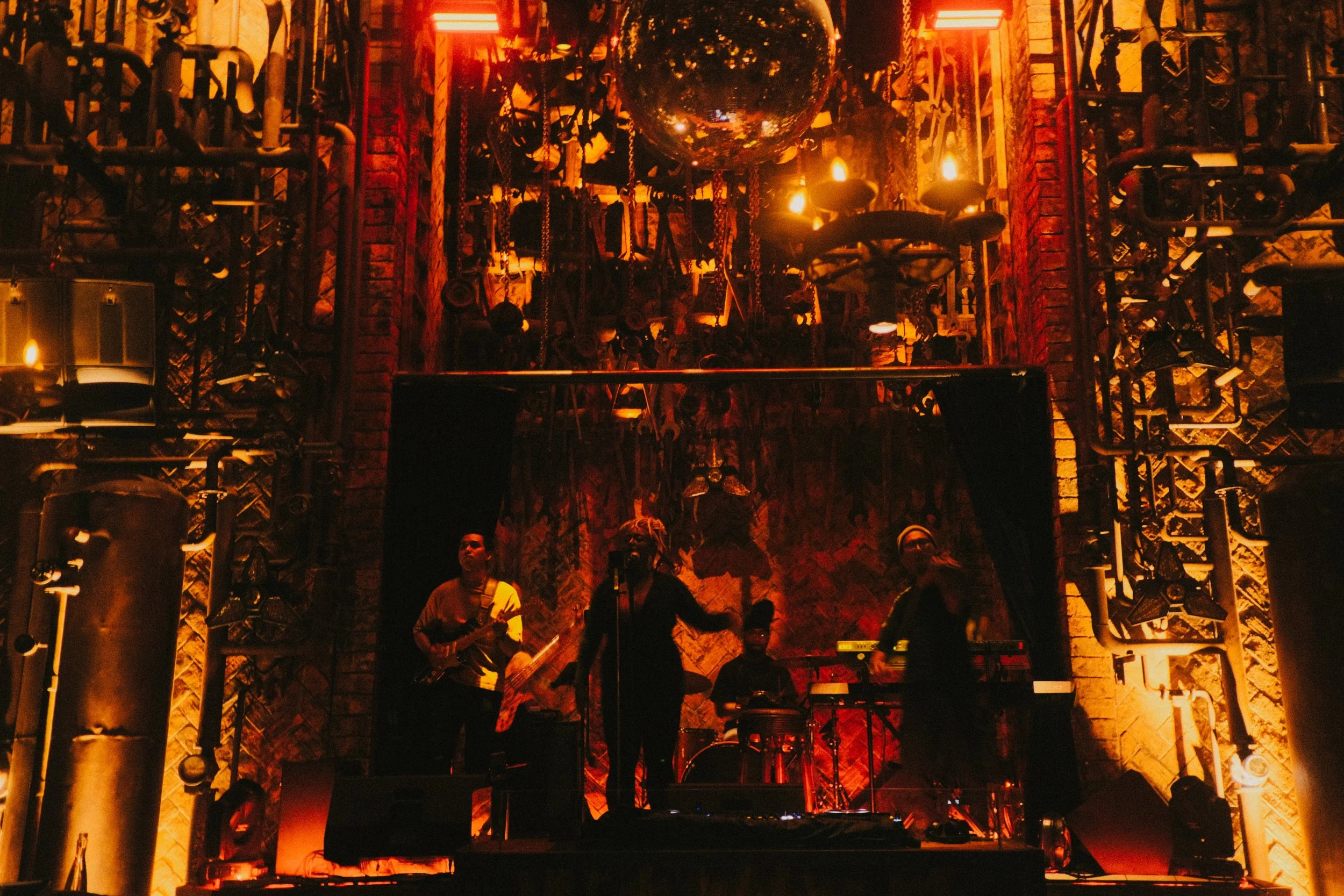

Just next door to Amici, we slipped into a boutique bar for some after-work drinks. The live Afro-Jazz music was a pleasant surprise, and so were the deceptively light cocktails 🍸🙃
📍The Iron Fairies, Petitenget